Close the gap between practice and performance. Without the made-up bullsh*t
Evidence-based applied sport & performance psychology for tennis players, parents, and coaches.
Improve your confidence, emotional resilience, concentration, and match performance without relying on motivational and "mental toughness" clichés.
Do these experiences feel familiar to you?
Read the statements below, and keep note of the ones you feel apply to you (or your child or player).
"I can count on one finger the number of times I’ve played my best tennis in real matches."
"I'm often anxious and nervous before I start, and I end up playing scared."
"I feel that my mind has been my biggest barrier to my tennis success."
"It takes me losing a set to even start playing 'normal' tennis."
"The consequences of winning and losing occupy my mind."
"I don’t understand why I feel angry when I play. I'm normally composed and controlled."
"Winning a match gives me a sense of relief... instead of joy and pleasure."
Why does this happen?
Many players think these struggles mean that something is uniquely wrong with them, or that they're not "mentally tough," or even that they just don't have the "x-factor" which will make them a great tennis players.
But being unable to play your best in matches does not mean that you are "weak." Tennis and sporting culture can be quite backwards and clueless about what happens in the brain and body when athletes cannot perform under pressure. I want you to know that there’s nothing wrong with you. You simply have not been taught the psychological skills to manage yourself, your attention, and improve your emotional resilience.
This is a failure of your training; not of you as a person.
Applied sport psychology can help you improve your performance level, and most importantly: change your relationship with tennis.
How support works
01
Application—followed by introductory conversation
A brief, virtual conversation to discuss your goals, challenges, and whether working together would be a good fit.
02
Building a plan
Based upon your needs and resources, we lay out a progression pathway which may include autonomous work, starting assessments, and an intake session.
03
Ongoing support
Continued check-ins and mental skills building. Followed by periodic assessments to ensure mental skills progression.
Support options
Starting at $29
Courses and guides
Ease into applied sport psychology training. Autonomous and self-paced, with options for concierge support. Includes:
Custom imagery scripts
Custom P.M.R. scripts
Worksheet access
Access to weekly office hours (ask your questions to a sport psychology consultant live).
$195 per session
1:1—session by session consulting
Work with a sport psychology professional to increase your performance level and build your mental skills.
45-min sessions (15 minutes per session of preparation and support)
Access to all scripts and worksheets as required
Access to weekly office hours (ask your questions to a sport psychology consultant live)
First session is always an "intake"
Most popular
$695 per month
A sport psychology professional in your corner
The most effective way to make a change in your mental performance and well-being.
4x 45-min sessions (15 minutes per session of preparation and support)
Daily email or text/Whatsapp support
Access to all scripts and worksheets as required
Access to weekly office hours (ask your questions to a sport psychology consultant live).
$1,950 upfront
3-month performance development
Everything included in monthly support—but designed for performers looking for deeper, longer-term support and more consistent improvement over time.
Malhar is rare in the tennis world in that he's undertaken the appropriate training, education, and ethical training to become a sport psychology professional. He's the type of person who'll help you to perform at a higher level more consistently. Recommended if you need help with navigating competitive tennis.

As Djokovic has said, ‘Everyone can hit the ball. This game is mental.' Malhar helps tennis players of all levels reduce the gap between their practice level and what they bring into match play. This is a part of competing that is not addressed enough. If you’re a player wanting to reach the next level, work with him.
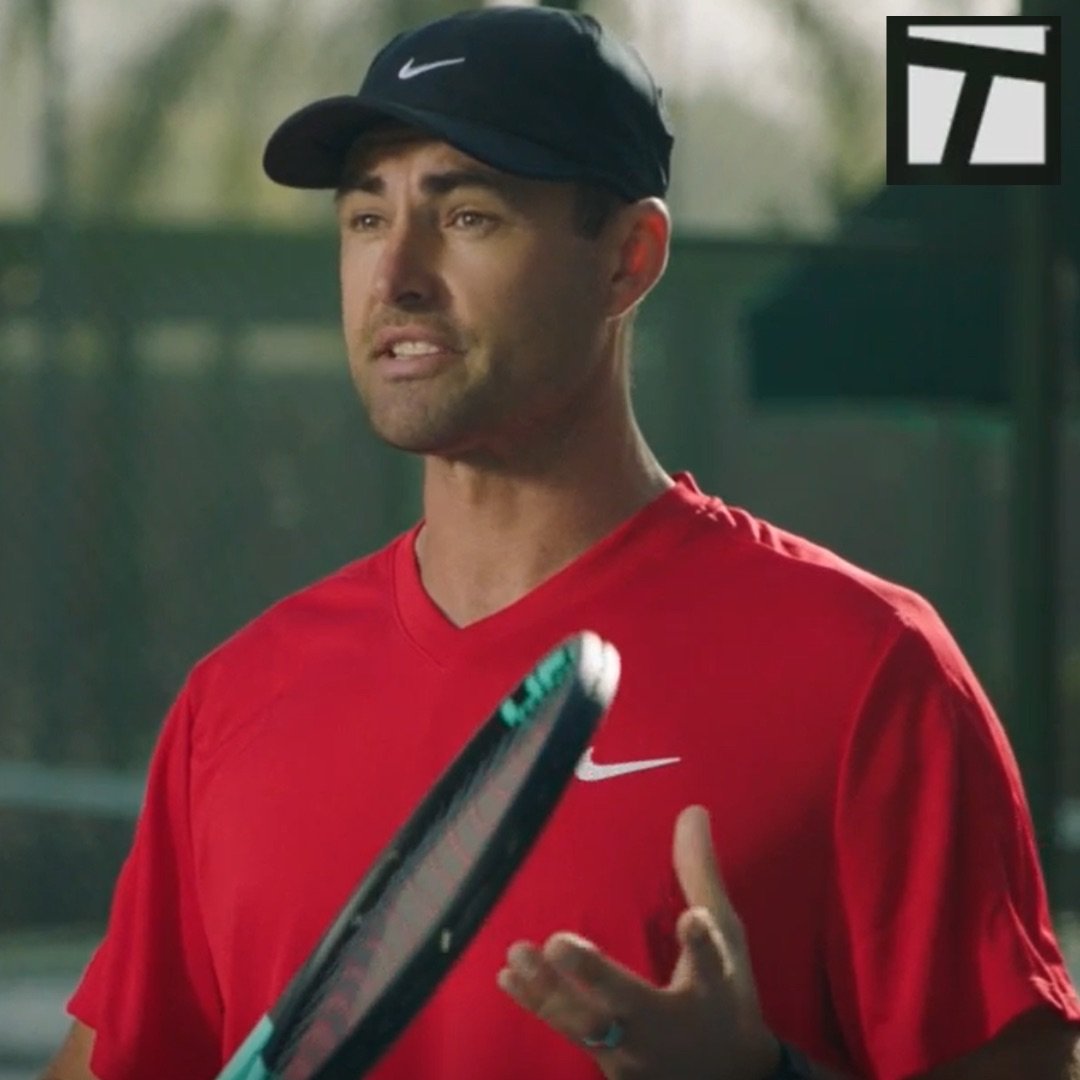
The mental part of tennis is often undervalued. Malhar has helped many players put it all together and take their skills from practice onto the match court. It's great to have a sport psychology professional who gets tennis.

Lots of people talk a good game on the internet but Malhar has the academic and research background to back it up, along with the ethical training required to be a sport psychology practitioner. He's the real deal and anyone wanting to improve the mental aspect of their tennis game should not hesitate to get in touch with Malhar.
Who is this for?
For players who feel there's a large gap between how they practice and how they perform in competition.
This may include struggles with choking, match anxiety, confidence fluctuations, overthinking, emotional reactions during matches, or feeling like your mind has become your biggest obstacle. If you’ve spent time watching videos, reading articles, and trying to “figure it out” on your own without meaningful progress, this support may be a good fit for you.
What does support typically involve?
Depending on the support option selected, we’ll typically begin with an intake session to better understand your background, goals, challenges, and experiences in tennis and performance.
From there, support is individualized based on your needs. This may include work around performance anxiety, emotional regulation, attentional focus, confidence, routines, self-talk, motivation, and learning how to perform more consistently under pressure.
Sessions are collaborative, practical, and grounded in evidence-based approaches from sport and performance psychology.
Is this therapy?
No. Mental performance is the non-clinical use of sport psychology, counseling, motor behavior, and psychology to help athletes improve their performances, reduce choking, and consistently bring a higher level to competitive events. This is not mental health. It's mental performance.
Do you offer quick fixes and "mental hacks" for performance issues?
No. While there are certainly strategies and mental skills that can help athletes perform better, actual mental performance improvement usually requires reflection, practice, application, and consistency over time.
My goal is not to sell “mindset hacks” or pretend there’s a magical solution to performance challenges. Instead, the aim is to help athletes better understand themselves, develop practical mental skills, and build more consistent performance habits over the long term.
I'm nervous about getting started—is that normal?
Yes. Absolutely. Many athletes feel uncomfortable or hesitant reaching out for mental performance support—especially because there's still stigma and misunderstanding around the mental side of sport. The goal of the introductory conversation is just to understand your experiences, goals, and challenges, while also giving you a chance to ask questions and see whether this approach feels like a good fit for you. If you want to take the next step, apply for support—and we'll schedule our intro call.